How Often Should You Schedule Septic Tank Pumping? A Complete Homeowner’s Guide

septic tank

A septic system works quietly beneath your property, handling wastewater every day without demanding much attention. Because most of the system remains underground, it is easy to forget that the tank needs regular care until something goes wrong. Slow drains, unpleasant odors, sewage backups, or standing wastewater can quickly turn a routine maintenance issue into a major household problem.

One of the most important steps homeowners can take to maintain their septic system is scheduling regular septic tank pumping. But how often should a septic tank actually be pumped? Understanding the factors that affect pumping frequency can help homeowners prevent costly problems and keep their septic system working properly. Contact The Septic Guys for more information.

Why Regular Septic Tank Pumping Is Important

Septic tanks separate wastewater into different layers as they collect sewage from the home. Solid waste settles at the bottom and forms sludge, while lighter materials such as grease and oils can rise to the top and form scum. The liquid wastewater remains between these layers and eventually moves into the drain field. Although the system is designed to handle this process naturally, sludge and scum continue to accumulate over time.

Pumping removes the accumulated solids before they reach levels that can interfere with the septic system. When too much sludge builds up, it can reduce the tank’s usable capacity and increase the possibility of solids entering the drain field. This can contribute to clogs, poor drainage, unpleasant odors, and system failure. Regular pumping helps maintain the tank’s capacity and supports the proper operation of the entire septic system.

Ignoring pumping needs can also lead to expensive repairs. A damaged or overloaded septic system may require more than simple maintenance to restore proper function. Drain field problems, backups, and other failures can become complicated and costly. Scheduling pumping as part of routine home maintenance is therefore an important way to protect the system and avoid preventable problems.

How Often Should a Septic Tank Be Pumped?

A common recommendation is to have a septic tank inspected and pumped approximately every three to five years. However, this is only a general guideline. The ideal pumping frequency depends on the size of the tank, the number of people living in the home, the amount of wastewater generated, and the amount of solids that accumulate.

Some households may need pumping more frequently, particularly when the tank is relatively small or the household produces a large amount of wastewater. Larger households can fill a septic tank more quickly because more people are using toilets, sinks, showers, washing machines, and other plumbing fixtures. Homes with fewer occupants may be able to go longer between pumping appointments.

The most reliable way to determine the right schedule is through regular inspections and professional assessment. Instead of relying solely on a fixed number of years, homeowners can monitor the condition of the tank and adjust the pumping schedule based on actual sludge and scum levels. This approach provides more accurate maintenance than assuming every septic system has identical needs.

Factors That Affect Septic Tank Pumping Frequency

Household size is one of the most important factors affecting pumping frequency. A septic system serving a large household generally receives more wastewater and solid waste than one serving only a few people. Increased usage can cause the tank to fill more quickly, especially if water-intensive appliances are used frequently.

Tank size also matters. A larger tank can generally hold more wastewater and solids before reaching its service limits, while a smaller tank may require more frequent pumping. The design of the septic system and the type of soil surrounding the drain field can also influence how effectively wastewater is processed.

Water usage habits can make a significant difference as well. Excessive water entering the septic tank in a short period can interfere with the natural separation of solids and liquids. Leaking faucets, running toilets, frequent laundry loads, and long showers can increase the amount of wastewater entering the system. Conserving water can help reduce unnecessary strain and support better septic system performance.

Household Habits Can Impact Your Septic System

What goes down the drains can have a major effect on how quickly a septic tank fills. Septic systems are designed to handle wastewater and human waste, but they are not designed to process every type of household material. Items such as wipes, paper towels, feminine hygiene products, grease, oils, chemicals, and other non-biodegradable materials can create problems.

Excess grease and oils can accumulate in the tank and contribute to the scum layer. Non-biodegradable materials can increase the amount of solid waste that needs to be removed. Some chemicals can also interfere with the natural biological processes that help break down waste inside the tank.

Homeowners can support their septic system by being careful about what enters the drains. Toilet paper and wastewater should be the primary materials entering the system. Grease and cooking oils should be disposed of using appropriate methods rather than poured down household drains. Developing good disposal habits can help reduce unnecessary strain and potentially support longer intervals between pumping.

Signs Your Septic Tank May Need Pumping

Homeowners should not wait for a complete septic system failure before arranging pumping. Certain warning signs can indicate that the tank is approaching its capacity or that another septic problem may be developing. Slow drains throughout the home are one possible warning sign. When multiple fixtures begin draining slowly at the same time, the septic system may need attention.

Unpleasant sewage odors around drains, the septic tank area, or the drain field can also indicate a problem. Gurgling sounds from plumbing fixtures may suggest that wastewater is not moving through the system as it should. Standing water or unusually green and lush vegetation around the drain field can also indicate that wastewater is not being absorbed properly.

Sewage backups are a serious warning sign that should not be ignored. If wastewater begins backing up into sinks, tubs, toilets, or other fixtures, professional assistance should be sought promptly. These symptoms can result from a full septic tank, clogged pipes, drain field problems, or other system issues. Professional inspection is important because pumping alone may not resolve an underlying system failure.

Why Septic Tank Inspections Matter

Pumping and inspection are closely connected but serve different purposes. Pumping removes accumulated solids, while an inspection provides an opportunity to evaluate the condition of the septic system. Regular inspections can help identify cracks, leaks, damaged components, unusual sludge levels, and other potential concerns.

An inspection can also help homeowners establish a more accurate pumping schedule. By measuring the amount of sludge and scum in the tank, a professional can determine whether the current maintenance interval is appropriate. This information can be especially useful for homeowners who have recently moved into a property or are unsure about the system’s maintenance history.

Keeping records of inspections and pumping appointments can also make future maintenance easier. Knowing when the tank was last serviced provides a useful reference point when planning the next appointment. Over time, these records can help homeowners identify patterns and establish a maintenance schedule that fits their specific septic system.

How Water Conservation Helps

Reducing unnecessary water use can benefit a septic system in several ways. When too much water enters the tank too quickly, wastewater may move through the system before solids have enough time to settle properly. This can increase the possibility of solids reaching the drain field.

Simple changes in household habits can help manage water usage. Repairing leaking toilets and faucets can prevent continuous water flow into the septic system. Spreading laundry loads throughout the week instead of washing everything in one day can also reduce sudden increases in wastewater.

Water-efficient fixtures may provide additional benefits by reducing the amount of wastewater produced during everyday activities. However, water conservation should be balanced with proper septic maintenance. Reducing water use does not eliminate the need for regular inspections and pumping because solids will continue accumulating in the tank.

Protecting the Drain Field

The drain field is a critical part of a septic system because it receives and treats liquid wastewater after it leaves the tank. Protecting the drain field is therefore just as important as maintaining the tank itself. Heavy vehicles, structures, and other excessive weight should generally be kept away from the drain field to avoid damaging underground components and compacting the soil.

Landscaping choices can also affect the area. Deep-rooted plants and trees may interfere with septic components, while excessive irrigation can add unnecessary water to the soil. Homeowners should understand where the drain field is located and avoid activities that could interfere with its function.

A properly maintained septic tank can still experience problems if the drain field is damaged or overloaded. Regular inspections can help identify potential issues before they become severe. Protecting both the tank and drain field provides a more complete approach to septic system maintenance.

What Happens If You Pump Too Late?

Delaying septic tank pumping can allow sludge and scum to build up beyond manageable levels. As the tank becomes increasingly full, there may be less space for wastewater and less opportunity for solids to settle properly. This can increase the possibility of solids moving toward the drain field.

Once the drain field becomes clogged or overloaded with solids, repairs can be much more complicated. In severe cases, parts of the septic system may need to be repaired or replaced. These projects can be significantly more expensive than routine pumping and maintenance.

Late pumping can also result in unpleasant household disruptions. Sewage backups can make bathrooms and plumbing fixtures unusable and may require extensive cleaning. Scheduling routine pumping helps reduce the likelihood of reaching this point and provides homeowners with greater peace of mind.

Creating a Septic Tank Maintenance Schedule

The best septic tank maintenance schedule should be based on the specific needs of the household and the condition of the system. Homeowners can begin by determining when the tank was last inspected and pumped. If the maintenance history is unknown, a professional inspection can provide useful information about the current condition of the system.

From there, homeowners can establish a recurring schedule based on household size, tank capacity, wastewater usage, and observed sludge accumulation. A general three to five-year interval may be appropriate for some systems, while others may require more frequent service. The schedule should be adjusted when household conditions change, such as when more people move into the home.

Regular records can make this process easier. Keeping track of pumping dates, inspections, repairs, and unusual symptoms can help homeowners and septic professionals make better maintenance decisions. Consistent planning is generally more effective than waiting until an emergency occurs.

Conclusion: Stay Ahead of Septic Tank Problems

Knowing how often to schedule septic tank pumping is an important part of responsible septic system ownership. Although pumping every three to five years is a common general guideline, the right frequency depends on factors such as household size, tank capacity, water usage, and the amount of solids accumulating in the tank. Regular inspections can provide a clearer picture of the system’s condition and help homeowners establish a maintenance schedule that meets their specific needs.

Homeowners can also support their septic systems by conserving water, disposing of waste properly, protecting the drain field, and paying attention to warning signs. Slow drains, odors, gurgling plumbing, standing water, and sewage backups should never be ignored.

Routine septic tank pumping is much more than a maintenance task. It is an investment in protecting the home’s plumbing system, avoiding preventable repairs, and maintaining reliable wastewater management. By staying consistent with inspections and pumping, homeowners can help their septic systems operate efficiently and avoid the disruption and expense associated with major septic failures.

Water Damage Remediation Vs Water Damage Repair – What’s the Difference?

Salt Lake City Water Damage Restoration

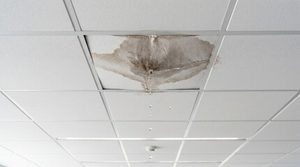
Water damage is a serious problem that can lead to structural issues and mold growth. Restoration professionals use specialized tools and techniques to assess the damage, remove standing water, and thoroughly dry the affected areas to prevent future problems.

The two most common services that restorers offer are mitigation and remediation. What is the difference between these two? Visit Salt Lake City Water Damage Restoration to learn more.

Remediation

Water damage remediation is the process of removing contaminants from affected areas. This includes cleaning and sanitizing as well as drying and dehumidifying materials and structures. It also involves identifying and fixing the cause of the water damage, which can help prevent future problems. The benefits of water damage remediation include preventing mold, bacteria, and other microorganisms from growing in the home or business, minimizing structural damage, and reducing health risks for people living or working there.

It is crucial to start water damage remediation as quickly as possible after the intrusion of water. The longer standing water is left untreated, the more contaminated it becomes. This is because materials like wood and metal rust and decay, creating an ideal environment for mold and other harmful organisms to grow. It can also lead to structural damage and weakening of the building. In addition, bacteria and viruses can spread in the water, posing health risks for those on the property.

Mitigation is the first step in the restoration process. It focuses on controlling immediate threats, including water flow, and safeguarding personal belongings and building materials from further damage. This can involve boarding up or tarping vulnerable parts of the structure. It can also include water extraction, using high-powered pumps and vacuums to remove as much of the water as possible. This can be especially important when dealing with gray or black water, which has been contaminated by raw sewage or other dangerous chemicals.

The next step is to dry and dehumidify the area as quickly as possible, preventing further structural damage. It may also include removing and discarding any materials that can’t be salvaged, such as drywall or carpeting. This is particularly critical if the water is caused by a burst pipe or severe flooding. It can also be helpful in avoiding odors and making the affected area more comfortable for those living or working there.

Remediation can also involve treating any affected materials for bacteria and mold, which helps to eliminate odors and prevent future problems. It can also include repairing and replacing any materials that were irreparably damaged by the water or moisture.

Repair

Water damage repair is a comprehensive process that involves rebuilding and restoring a property to its pre-loss condition. It also addresses hidden moisture pockets, mold growth and other structural issues. It can take a lot of time and money, but professional water restoration experts know how to get the job done more efficiently. They can reduce the overall costs of the repair by identifying potential issues before they arise and preventing them from escalating.

While it may seem tempting to tackle minor water damage yourself, it is always best to leave any sort of cleaning or restoration work to the professionals. Professional technicians have access to the latest tools and technology that can save you time, money and hassle. They can quickly locate hidden moisture spots, dry out building materials and restore the impacted areas more effectively than any DIY method.

In addition to their expertise in repairing and restoring water damaged areas, these professionals can also provide valuable advice on the prevention of future problems, saving you both time and money. This could include fixing leaking pipes or redirecting runoff away from the building. This can help prevent costly future repairs and improve indoor air quality.

The remediation process takes place after the mitigation stage is complete. This is when technicians begin to assess the damage and determine if the affected materials can be restored or if they need to be replaced. The type of material involved is the main determining factor here, as different materials respond differently to water damage and may need to be replaced entirely.

Other factors to consider include the category and class of the water damage. Category 3 water damage, for example, is considered severe and must be dealt with by a professional as it contains bacteria and other harmful microorganisms. This can be caused by sewage backups, standing water, or toilet overflows.

Remediation also includes the disinfection and sanitization of the affected area to prevent health hazards. This can be achieved by applying a variety of cleaning agents and antimicrobial treatments. This is a critical part of the water damage restoration process, as it can significantly reduce the risk of further problems and ensure that the property is safe for re-occupancy. This is especially important for homeowners who are planning to sell their home in the near future as it can help streamline the process by removing any water damage issues before selling.

Cleaning

Cleaning involves sanitizing the affected areas and removing any visible dirt, residue, or buildup. Removing contaminants can help prevent mold growth and other health hazards. Cleaning also helps protect structural integrity, especially in buildings with wooden framing and drywall. Professional water damage remediation teams have specialized equipment like powerful pumps and wet vacuums to remove water quickly, which can greatly reduce the risk of structural problems.

Lingering moisture can lead to the degradation of building materials, resulting in warping, rotting, and compromised stability. Remediation professionals use moisture meters and thermal imaging to locate trapped moisture in wall cavities, underfloors, and other hard-to-reach places. These measures help preserve the longevity of building components, reduce the risk of future issues, and minimize damage to personal belongings.

Remediation also includes addressing the source of the water infiltration, whether it be a leaking pipe or roof leak. Addressing these issues promptly can save a significant amount of money in repair costs and minimize potential risks to occupants.

Restoration services can also help salvage and restore personal belongings that might otherwise be lost. Items such as furniture, electronics, and sentimental keepsakes can be saved through specialized drying and cleaning processes. This can ensure that a homeowner is able to get back their belongings and restore the value of their property. Restoring these items in a timely manner can also help reduce the stress and financial burden of filing an insurance claim. Water damage cleanup companies that specialize in restoring contents often have special relationships with insurance providers and can assist in the process from start to finish.

Rebuilding

If you have experienced significant damage to your property from water, you might need to completely rebuild the affected area. This involves tearing down damaged walls, flooring, and other structures before installing new materials and restoring electrical systems to work correctly. Rebuilding also includes removing and disposing of any contaminated debris. This can be a time-consuming process and can require the help of experts to get the job done properly. It is important to address the problem as soon as possible after it occurs so that you can minimize the risk of structural damage and prevent mold growth.

Water damage is not just costly and time-consuming to repair, but it can be hazardous to your health as well. Standing water can provide an ideal environment for the development of mold and other harmful microorganisms, which may cause respiratory problems. The moisture also poses a threat to the integrity of the building structure and can cause rotting, warping, and other structural issues. Timely water damage repair helps to remove excess moisture, eliminates health hazards, and restores the building structure to its original condition.

A professional water remediation company can help you restore your property from the effects of water damage, regardless of its severity. The best way to minimize water damage is through proactive maintenance and regular inspections, but when water damage does occur, it is crucial to act quickly to reduce the extent of the damage.

Mitigating water damage begins with a detailed assessment of the situation and the development of a comprehensive restoration plan. This will include strategies to remove moisture, including extracting standing water and drying the area using specialized equipment like dehumidifiers and air movers. This can be complemented by making temporary repairs to protect the property, such as applying tarps and boarding up windows.

Water damage is not just a risk for home and business owners, but it can also detract from the value of your property. Water damage can leave behind stains, discoloration, and wood rot that will make your property less appealing to prospective buyers. Fortunately, a good water remediation service can help you preserve your property’s value and streamline the sales process.

Visit our Professional Services Blogs

Portland Metro Plumbers, Provantage Handyman, Santa Ana Flooring, Plumbing Heating Cooling New Jersey, Riverside Stump Grinding, Painter In Hanover, My Restoration Directory, Miami Dade Restoration Services, Update Construction, Campanelli Construction, Cruz Construction And Restoration , Airconditioning Round Rock, Air Dynamics Airconditioning And Heating, Gands Airconditioning And Heating, Windward Building Company LLC, Airconditioning Repairs Bocaraton, Laguna Airconditioning, Roofing 719, 3 Phase Construction NJ, Broadway Building Contractors, UIS Concrete And Demo, Austin Plumbers Near Me, Richmond Gutter Cleaning Company, Weather Defense Roofing Weather Proof Roofing, Ray Allen Plumbing, Raleigh Pressure Washing Painting , Fairfield County Septic, Carlson Craft Cabinets, Helping Hand Home Improvement, Delco Home InspectorWindow Cleaning Stafford