How Often Should You Schedule Septic Tank Pumping? A Complete Homeowner’s Guide

septic tank

A septic system works quietly beneath your property, handling wastewater every day without demanding much attention. Because most of the system remains underground, it is easy to forget that the tank needs regular care until something goes wrong. Slow drains, unpleasant odors, sewage backups, or standing wastewater can quickly turn a routine maintenance issue into a major household problem.

One of the most important steps homeowners can take to maintain their septic system is scheduling regular septic tank pumping. But how often should a septic tank actually be pumped? Understanding the factors that affect pumping frequency can help homeowners prevent costly problems and keep their septic system working properly. Contact The Septic Guys for more information.

Why Regular Septic Tank Pumping Is Important

Septic tanks separate wastewater into different layers as they collect sewage from the home. Solid waste settles at the bottom and forms sludge, while lighter materials such as grease and oils can rise to the top and form scum. The liquid wastewater remains between these layers and eventually moves into the drain field. Although the system is designed to handle this process naturally, sludge and scum continue to accumulate over time.

Pumping removes the accumulated solids before they reach levels that can interfere with the septic system. When too much sludge builds up, it can reduce the tank’s usable capacity and increase the possibility of solids entering the drain field. This can contribute to clogs, poor drainage, unpleasant odors, and system failure. Regular pumping helps maintain the tank’s capacity and supports the proper operation of the entire septic system.

Ignoring pumping needs can also lead to expensive repairs. A damaged or overloaded septic system may require more than simple maintenance to restore proper function. Drain field problems, backups, and other failures can become complicated and costly. Scheduling pumping as part of routine home maintenance is therefore an important way to protect the system and avoid preventable problems.

How Often Should a Septic Tank Be Pumped?

A common recommendation is to have a septic tank inspected and pumped approximately every three to five years. However, this is only a general guideline. The ideal pumping frequency depends on the size of the tank, the number of people living in the home, the amount of wastewater generated, and the amount of solids that accumulate.

Some households may need pumping more frequently, particularly when the tank is relatively small or the household produces a large amount of wastewater. Larger households can fill a septic tank more quickly because more people are using toilets, sinks, showers, washing machines, and other plumbing fixtures. Homes with fewer occupants may be able to go longer between pumping appointments.

The most reliable way to determine the right schedule is through regular inspections and professional assessment. Instead of relying solely on a fixed number of years, homeowners can monitor the condition of the tank and adjust the pumping schedule based on actual sludge and scum levels. This approach provides more accurate maintenance than assuming every septic system has identical needs.

Factors That Affect Septic Tank Pumping Frequency

Household size is one of the most important factors affecting pumping frequency. A septic system serving a large household generally receives more wastewater and solid waste than one serving only a few people. Increased usage can cause the tank to fill more quickly, especially if water-intensive appliances are used frequently.

Tank size also matters. A larger tank can generally hold more wastewater and solids before reaching its service limits, while a smaller tank may require more frequent pumping. The design of the septic system and the type of soil surrounding the drain field can also influence how effectively wastewater is processed.

Water usage habits can make a significant difference as well. Excessive water entering the septic tank in a short period can interfere with the natural separation of solids and liquids. Leaking faucets, running toilets, frequent laundry loads, and long showers can increase the amount of wastewater entering the system. Conserving water can help reduce unnecessary strain and support better septic system performance.

Household Habits Can Impact Your Septic System

What goes down the drains can have a major effect on how quickly a septic tank fills. Septic systems are designed to handle wastewater and human waste, but they are not designed to process every type of household material. Items such as wipes, paper towels, feminine hygiene products, grease, oils, chemicals, and other non-biodegradable materials can create problems.

Excess grease and oils can accumulate in the tank and contribute to the scum layer. Non-biodegradable materials can increase the amount of solid waste that needs to be removed. Some chemicals can also interfere with the natural biological processes that help break down waste inside the tank.

Homeowners can support their septic system by being careful about what enters the drains. Toilet paper and wastewater should be the primary materials entering the system. Grease and cooking oils should be disposed of using appropriate methods rather than poured down household drains. Developing good disposal habits can help reduce unnecessary strain and potentially support longer intervals between pumping.

Signs Your Septic Tank May Need Pumping

Homeowners should not wait for a complete septic system failure before arranging pumping. Certain warning signs can indicate that the tank is approaching its capacity or that another septic problem may be developing. Slow drains throughout the home are one possible warning sign. When multiple fixtures begin draining slowly at the same time, the septic system may need attention.

Unpleasant sewage odors around drains, the septic tank area, or the drain field can also indicate a problem. Gurgling sounds from plumbing fixtures may suggest that wastewater is not moving through the system as it should. Standing water or unusually green and lush vegetation around the drain field can also indicate that wastewater is not being absorbed properly.

Sewage backups are a serious warning sign that should not be ignored. If wastewater begins backing up into sinks, tubs, toilets, or other fixtures, professional assistance should be sought promptly. These symptoms can result from a full septic tank, clogged pipes, drain field problems, or other system issues. Professional inspection is important because pumping alone may not resolve an underlying system failure.

Why Septic Tank Inspections Matter

Pumping and inspection are closely connected but serve different purposes. Pumping removes accumulated solids, while an inspection provides an opportunity to evaluate the condition of the septic system. Regular inspections can help identify cracks, leaks, damaged components, unusual sludge levels, and other potential concerns.

An inspection can also help homeowners establish a more accurate pumping schedule. By measuring the amount of sludge and scum in the tank, a professional can determine whether the current maintenance interval is appropriate. This information can be especially useful for homeowners who have recently moved into a property or are unsure about the system’s maintenance history.

Keeping records of inspections and pumping appointments can also make future maintenance easier. Knowing when the tank was last serviced provides a useful reference point when planning the next appointment. Over time, these records can help homeowners identify patterns and establish a maintenance schedule that fits their specific septic system.

How Water Conservation Helps

Reducing unnecessary water use can benefit a septic system in several ways. When too much water enters the tank too quickly, wastewater may move through the system before solids have enough time to settle properly. This can increase the possibility of solids reaching the drain field.

Simple changes in household habits can help manage water usage. Repairing leaking toilets and faucets can prevent continuous water flow into the septic system. Spreading laundry loads throughout the week instead of washing everything in one day can also reduce sudden increases in wastewater.

Water-efficient fixtures may provide additional benefits by reducing the amount of wastewater produced during everyday activities. However, water conservation should be balanced with proper septic maintenance. Reducing water use does not eliminate the need for regular inspections and pumping because solids will continue accumulating in the tank.

Protecting the Drain Field

The drain field is a critical part of a septic system because it receives and treats liquid wastewater after it leaves the tank. Protecting the drain field is therefore just as important as maintaining the tank itself. Heavy vehicles, structures, and other excessive weight should generally be kept away from the drain field to avoid damaging underground components and compacting the soil.

Landscaping choices can also affect the area. Deep-rooted plants and trees may interfere with septic components, while excessive irrigation can add unnecessary water to the soil. Homeowners should understand where the drain field is located and avoid activities that could interfere with its function.

A properly maintained septic tank can still experience problems if the drain field is damaged or overloaded. Regular inspections can help identify potential issues before they become severe. Protecting both the tank and drain field provides a more complete approach to septic system maintenance.

What Happens If You Pump Too Late?

Delaying septic tank pumping can allow sludge and scum to build up beyond manageable levels. As the tank becomes increasingly full, there may be less space for wastewater and less opportunity for solids to settle properly. This can increase the possibility of solids moving toward the drain field.

Once the drain field becomes clogged or overloaded with solids, repairs can be much more complicated. In severe cases, parts of the septic system may need to be repaired or replaced. These projects can be significantly more expensive than routine pumping and maintenance.

Late pumping can also result in unpleasant household disruptions. Sewage backups can make bathrooms and plumbing fixtures unusable and may require extensive cleaning. Scheduling routine pumping helps reduce the likelihood of reaching this point and provides homeowners with greater peace of mind.

Creating a Septic Tank Maintenance Schedule

The best septic tank maintenance schedule should be based on the specific needs of the household and the condition of the system. Homeowners can begin by determining when the tank was last inspected and pumped. If the maintenance history is unknown, a professional inspection can provide useful information about the current condition of the system.

From there, homeowners can establish a recurring schedule based on household size, tank capacity, wastewater usage, and observed sludge accumulation. A general three to five-year interval may be appropriate for some systems, while others may require more frequent service. The schedule should be adjusted when household conditions change, such as when more people move into the home.

Regular records can make this process easier. Keeping track of pumping dates, inspections, repairs, and unusual symptoms can help homeowners and septic professionals make better maintenance decisions. Consistent planning is generally more effective than waiting until an emergency occurs.

Conclusion: Stay Ahead of Septic Tank Problems

Knowing how often to schedule septic tank pumping is an important part of responsible septic system ownership. Although pumping every three to five years is a common general guideline, the right frequency depends on factors such as household size, tank capacity, water usage, and the amount of solids accumulating in the tank. Regular inspections can provide a clearer picture of the system’s condition and help homeowners establish a maintenance schedule that meets their specific needs.

Homeowners can also support their septic systems by conserving water, disposing of waste properly, protecting the drain field, and paying attention to warning signs. Slow drains, odors, gurgling plumbing, standing water, and sewage backups should never be ignored.

Routine septic tank pumping is much more than a maintenance task. It is an investment in protecting the home’s plumbing system, avoiding preventable repairs, and maintaining reliable wastewater management. By staying consistent with inspections and pumping, homeowners can help their septic systems operate efficiently and avoid the disruption and expense associated with major septic failures.

The Components of Air Conditioning

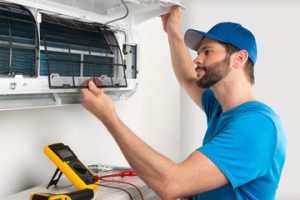
Air Conditioning is the system that cools the air. It can be centrally controlled in new buildings or installed as a ductless mini-split in existing homes.

There are three main mechanical parts to an air conditioner – the compressor, condenser and evaporator coil. Keep reading the article below to learn more about 24 Hour HVAC Company.

1. Refrigerant
Air Conditioning

Cool air circulates around your home thanks to a few important components like fans and thermostats, but the main player in this process is refrigerant. Also known as freon, it plays an integral role in the chemical reaction that moves heat from inside your house to outside your home. While air conditioning is the primary application, refrigerant also serves as a medium for moving heat in other refrigeration systems. It has the unique ability to easily transform from a gas into a liquid and back again. This is what allows it to absorb and release heat, moving it between the evaporator coil and the condenser coil in your AC system.

Refrigerants are tricky substances. They must exist as a gas at room temperature, be easily compressed to a liquid and absorb significant heat when they evaporate. Fortunately, there are a variety of different refrigerant gases to choose from. Some are even safer than others (although they all have their own set of safety risks). Common refrigerant types include chlorofluorocarbons, hydrochlorofluorocarbons and hydrofluorocarbons. However, these are being phased out for their negative effects on the ozone layer and other environmental concerns. Refrigerants with lower global warming potentials such as propane, isobutane and ammonia are now being used.

The refrigerant cycle begins in your compressor. As the liquid-like refrigerant enters the compressor, it is pressurized and superheated to a high temperature. This creates a physical force that causes molecules to bounce around and collide more frequently. This, in turn, converts their kinetic energy into heat. The resulting heat energy is expelled from the system by the compressor’s exhaust, which is usually located in your home’s attic or crawlspace.

Once the refrigerant exits the compressor it flows into the evaporator in its liquid state. It then absorbs radian heat from the air passing over the copper coils. This drops its temperature, which enables it to return to the evaporator in its gaseous state. The heat is then expelled from the evaporator with help from a fan blowing air over the coils.

Then, the entire cycle begins again. Your refrigerator, air conditioner and other heating and cooling systems rely on this continuous cycle of evaporation and condensation to keep your home comfortable. But just like a musician can only play so many songs before it strains, your system will eventually wear out without the right refrigerant charge.

2. Compressor

The compressor is the heart of your air conditioning system. It takes the low-pressure, cool refrigerant gas and increases its pressure and temperature. This transformation is critical for the rest of the AC system to work. A failed compressor means your AC won’t work — or at least it won’t work well.

In music terms, think of the compressor as a fader. When an engineer is playing a track, they have to set the level at which they want to start bringing the fader down (the threshold). Once they reach that point it starts to reduce the dynamic range of the signal – if the engineer’s had too much caffeine and is sluggish that would be called a long attack, while if they are frantic and a quick release this is called a short attack.

Similarly, the compressor in an air conditioner is responsible for changing the temperature of refrigerant from a liquid to a hot gas and then back again. This temperature change is critical for the other parts of your AC system to function properly, and it also affects how efficiently your air conditioner operates. The more efficient the AC unit, the lower your energy bills will be and the better it will keep your car cool.

The air compressor is located in the outdoor unit and is connected to the rest of the AC system through copper refrigerant piping. When the AC is turned on, an electromagnetic clutch activates the compressor and allows it to pressurize the refrigerant before it enters the condenser. The compressor can be one of several types: reciprocating, rotary or scroll. Most modern air conditioning systems use a compressor known as a scroll type.

The compressor is driven by a belt that runs over a pulley, and the pulley is connected to the engine block via the V-belt. When the air conditioner is switched on, an electromagnetic clutch sets this belt to run and drive the compressor using power from the engine.

3. Condenser

The condenser is a crucial component of your air conditioning system. This is the component that transfers heat from the vapor refrigerant to the outdoor air, helping your AC cool your home. It is a large metal box on the outside of your house with a fan inside. You may see it surrounded by a grating to prevent objects from falling into the fan, and it has tubing for both the vapor refrigerant entering and exiting the unit, as well as an electric power supply for the motorized fan.

When the vapor refrigerant enters the condenser, it is hot and under high pressure. It goes through the condenser coils, which look similar to a car radiator. The hottest part of your AC is the compressor, so the condenser is there to absorb any excess heat from it. This helps the vapor refrigerant to lose its heat more quickly and move on to the next step of the cooling cycle.

While the condenser is a key component of your air conditioner, it can suffer from various problems. One common issue is that it can’t get enough air flow. This can cause it to overheat, leading to a variety of issues. Another issue is that the coils can be clogged with debris and dirt, which prevents them from dispersing latent heat.

A professional technician will be able to diagnose any problems with your condenser, and they can recommend the best course of action. Regular professional maintenance by a qualified technician can help prevent these issues from arising in the first place. During maintenance, a technician will clean the condenser thoroughly and make sure that it has enough airflow. They will also look at the fins to ensure that they are straight, as these can often become bent over time.

Since the condenser is outdoors, it is more likely to be damaged by environmental factors than the indoor parts of your AC system. Dirt, leaves, grass clippings, and other items can clog the condenser and prevent it from cooling effectively. The condenser can also suffer from weld failure or cracking, which can lead to leaks and poor performance.

4. Evaporator

A dirty evaporator coil causes your air conditioner to work harder, which can wear down other components like the fan motor and compressor. It also reduces the energy efficiency of your system and leads to higher utility bills. This is why proper maintenance is essential for your AC’s health. Regular evaporator coil cleaning will keep your air conditioner running efficiently and extend its lifespan by years.

An evaporator is a heat exchanger that allows refrigerant to vaporize and cool air. It’s composed of a series of tubes and fins that create a large surface area for heat transfer. Air is drawn into the evaporator through a blower fan and forced over the coils to surrender its heat. The evaporator then chills the air and sends it through the house.

The evaporator is the only part of the air conditioning system that gets hot. The evaporator is typically made of copper tubing with aluminum fins that are spaced closely together to increase the surface area. This design improves the heat-transfer rate by allowing a greater amount of air to contact the refrigerant at any given time.

There are two main types of evaporator designs: the simple evaporator and the two-stage evaporator. The simple evaporator is composed of one or more calandrias (heating chambers) that convert liquid to vapor by adding heat. The calandrias are often heated to a specific temperature for optimum performance.

A second-stage evaporator has a separator that separates the vapor from the liquid. This type of evaporator can be used with low refrigerant levels since it can be operated at temperatures close to the dew point.

Dirty evaporator coils can cause your air conditioner to freeze because the refrigerant isn’t absorbing any heat from your home’s air. The dirt insulates the coil, which prevents it from transferring its own heat into your home. This results in your AC running and cooling your house, but you won’t feel any difference in the temperature of your home. To avoid this, check your evaporator coils regularly for dirt buildup. Clean your evaporator coils every other year to remove any obstructions and ensure they have a good flow of air.